Authentic Indonesian Beef Rendang Recipe
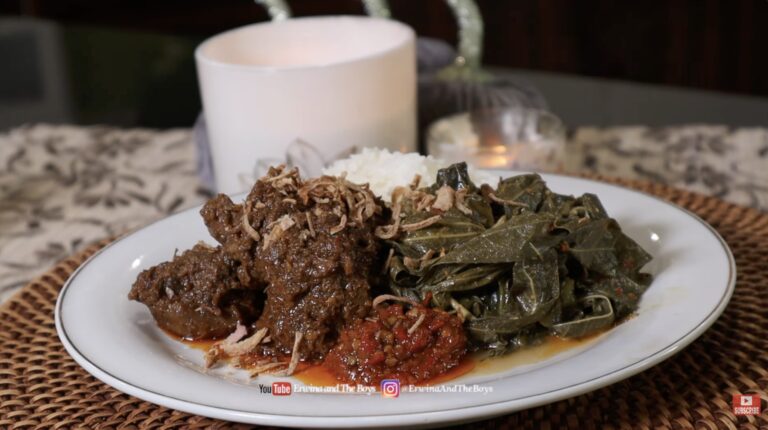
If Indonesian food had a king, it would be beef rendang. 👑 This authentic Indonesian beef rendang recipe comes straight from my own kitchen, built on the slow-cooked, deeply spiced tradition of the Minangkabau people of West Sumatra. It takes a little patience, but every minute of simmering pays off in a rich, fork-tender beef rendang with layers of toasted spice in every bite. Watch the video below, follow along with the recipe card, and get ready to drool.
Why You’ll Love This Beef Rendang Recipe
- Authentic Indonesian flavor – made the real West Sumatran way, not a shortcut version.
- Deeply aromatic – layers of toasted spices and coconut milk reduce down into a rich, clingy sauce.
- Great for make-ahead meals – it tastes even better the next day and freezes beautifully.
What Is Beef Rendang?
Rendang is a world-famous Indonesian dish that originated with the Minangkabau people of West Sumatra. You’ll often see it called Rendang Padang, but its roots actually stretch across Minangkabau culture more broadly, not just the city of Padang. Traditionally, it’s made by slowly cooking beef with coconut milk, chilies, and an aromatic blend of herbs and spices until the liquid gradually evaporates, the coconut oils release, and everything reduces down into a dark, deeply concentrated sauce that clings to the meat. That long, low simmer is really the heart of an authentic Indonesian beef rendang recipe — there’s no shortcut that gets you the same depth of flavor.
Is Rendang Indonesian or Malaysian?
This is where the story gets interesting. If you search for rendang online, you’ll see it described as both an Indonesian and a Malaysian dish, and it truly is an important part of Malaysian cuisine today. But its historical roots trace back to the Minangkabau people of West Sumatra, Indonesia. So how did it become so closely associated with Malaysia too?
For centuries, Minangkabau people were known for merantau — leaving their homeland to travel, trade, and establish communities elsewhere. That migration reached the Malay Peninsula, including Negeri Sembilan in present-day Malaysia, where Minangkabau cultural influence still runs strong. And whenever people migrate, they bring their food with them. Over generations, rendang became part of Malaysian food culture too and developed its own regional character there, which is why today you’ll find Indonesian rendang, Malaysian rendang, and other regional variations across Southeast Asia. But the story begins in Minangkabau, West Sumatra — Indonesia officially recognized rendang as an Indonesian Intangible Cultural Heritage dish from West Sumatra, and it has long been tied to family gatherings, ceremonies, and celebrations there.
Rendang’s long cooking process also served a practical purpose historically — it helped preserve the meat before refrigeration existed, which made it ideal food for people traveling far from home. So when you make this authentic Indonesian beef rendang recipe, you’re not just cooking a delicious slow-braised beef dish, you’re making something with centuries of history behind it.
Authentic Indonesian Beef Rendang
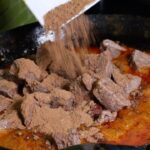
Slow-cooked, deeply spiced West Sumatran beef rendang, simmered low and slow until the coconut sauce reduces into a rich, clinging glaze.
Main Ingredients
- 600 g beef shank, sliced
- 5 cloves garlic
- 7 shallots
- 5 candlenuts
- 8 curly red chilies
- 2 red chilies
- 3 cm ginger
- 80 ml coconut oil
- 2 stalks lemongrass, sliced and pounded
- 1 piece galangal, sliced and pounded
- 5 kaffir lime leaves
- 2 turmeric leaves
- 1 pandan leaf
- 3 bay leaves
- 500 ml water
- 500 ml thick coconut milk
Dry Seasonings
- 1 tbsp coriander powder
- 2 tsp white pepper powder
- 2 tsp cumin powder
- 1/4 tsp cinnamon powder
- 1 tsp nutmeg powder
- 1 tsp star anise powder
- 1 tsp cardamom powder
- 1 tsp clove powder
- 1 tsp chili powder
Other Seasonings
- 1/2 tbsp salt
- 2 tsp sugar
- 1 tsp mushroom stock powder (or chicken bouillon powder)
- Blend the shallots, garlic, candlenuts, red chilies, curly red chilies, and ginger together with the coconut oil until you have a smooth spice paste.
- Mix the beef with the dry seasonings, massaging them into the meat so they’re absorbed evenly. If you have time, marinate it with a little salt overnight for even more flavor.
- Heat a pan and sauté the spice paste until fragrant. Add the lemongrass, galangal, bay leaves, kaffir lime leaves, turmeric leaves, and pandan leaf. Don’t let the paste reduce too much before adding the marinated beef, and cook until the meat is well toasted on all sides. Pour in the coconut milk and water, then stir well.
- Season with the salt, sugar, and mushroom stock powder. Bring everything to a boil over medium heat, then lower the heat, cover, and let it simmer. Stir occasionally and keep cooking until the sauce reduces.
- Once the liquid is almost fully reduced, switch to low heat and keep stirring more frequently until the sauce is completely reduced and clings thickly to the meat — this is the stage where the rendang really comes together.
- Your beef rendang is ready to serve right away, or you can store it in an airtight container in the fridge.
Rendang keeps well in the fridge for several days and freezes beautifully in portions.
🛒 Shop the Ingredients
- Beef shank
- Garlic
- Shallots
- Curly red chilies
- Red chilies
- Ginger
- Coconut oil
- Lemongrass
- Galangal
- Kaffir lime leaves
- Pandan leaf
- Bay leaves
- Thick coconut milk
- Coriander powder
- Cinnamon powder
- Cumin powder
- White pepper powder
- Nutmeg powder
- Star anise powder
- Cardamom
- Cloves
- Chili powder
- Kosher salt
- Sugar
- Mushroom stock powder
Candlenuts and turmeric leaves are best sourced fresh or frozen from an Asian grocery store — they matter for authentic flavor here, and I couldn’t find a genuine packaged match for either online.
🧰 Shop the Equipment
- Large heavy Dutch oven – ideal for the long, slow simmer rendang needs.
- Mini food processor – makes quick, smooth work of blending the spice paste.
- Wooden spoon set – for stirring the sauce as it reduces without scratching your pot.
WATCH THE VIDEO and SELAMAT MAKAN!
Why Rendang Takes So Long to Cook
The long simmer isn’t just tradition for tradition’s sake — it’s what transforms tough beef shank into something meltingly tender, and it’s what lets the coconut milk slowly split and release its oils so the spices can fully bloom. Rushing this step with high heat will scorch the spice paste before the beef has a chance to become tender, so resist the urge to turn up the burner. Low and slow, with patience and the occasional stir, is what makes an authentic Indonesian beef rendang recipe taste the way it should.
Tips for the Best Rendang
- Slice the beef shank against the grain so it stays tender after the long simmer.
- Stir more often as the sauce thickens toward the end so it doesn’t catch on the bottom of the pan.
- Rendang actually tastes even better the next day, once the spices have had time to settle into the meat.
- If you like a saucier version to spoon over rice, stop cooking a little earlier, before the sauce fully reduces.
- Toast your dry spices lightly before blending if you want an even deeper aroma.
How to Serve Beef Rendang
In Indonesia, rendang is almost always served with a big bowl of steamed white rice to soak up all that rich sauce. I like to round out the meal with a simple stir-fried vegetable and something with a bit of heat on the side. If you love the bold, spicy side of Indonesian cooking, don’t miss my Indonesian chicken satay with peanut sauce — it’s another dish my boys ask for again and again. For an extra kick spooned over your rice, try my garlic chili oil with fried shrimp paste (sambal terasi goreng) alongside the rendang — the smoky heat plays beautifully against the rich coconut sauce.
How to Store and Reheat Rendang
Beef rendang keeps beautifully in an airtight container in the fridge for several days, and it freezes well too, which makes it a great make-ahead dish for busy weeknights. To reheat, warm it gently in a pan over low heat with a splash of water if the sauce has thickened too much in storage. Because it was traditionally made to be preserved without refrigeration, rendang is naturally one of the more forgiving dishes to keep on hand.
Frequently Asked Questions
Is rendang very spicy?
It has warmth from the chilies, but it’s more about deep, layered spice flavor than pure heat. You can scale back the chilies if you prefer a milder version.
How do I know when rendang is done?
It’s ready when the sauce has fully reduced and clings thickly to the beef rather than pooling in the pan, and the meat is fork-tender and deeply browned.
Can I make beef rendang ahead of time?
Absolutely — in fact, it’s one of those dishes that tastes even better a day or two after cooking, once the flavors have had time to settle.
What cut of beef works best for rendang?
Beef shank is traditional because it holds up well to the long simmer and becomes wonderfully tender, but chuck or brisket can work as substitutes if that’s what you have available.
This authentic Indonesian beef rendang recipe is one of the dishes I’m proudest to share, because it carries so much history and family tradition in every spoonful. Give it the time it deserves, and I promise it will be worth every minute of stirring.